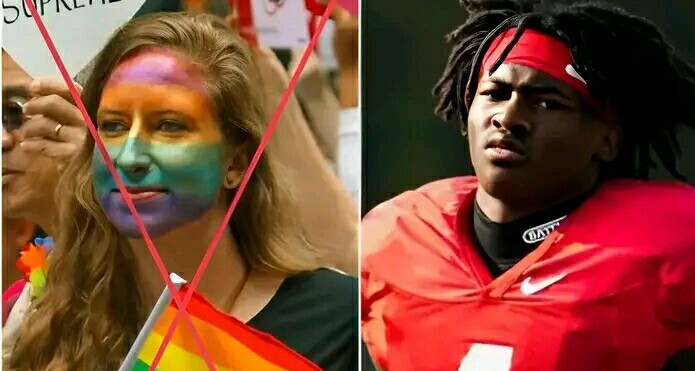
BREAKING: Jeremiah Smith announces his refusal to celebrate Pride Month in June — he says “WOKE” doesn’t deserve to be commemorated, because…
BREAKING: Jeremiah Smith Announces His Refusal to Celebrate Pride Month in June — He Says “WOKE” Doesn’t Deserve to Be Commemorated, Because…
In a move that has stunned the sports and social media world, Jeremiah Smith, a rising star in professional football, has announced his refusal to participate in the celebration of Pride Month this June. Smith, who has quickly become one of the most talked-about players in the league, shocked fans and critics alike with his bold declaration. In his statement, Smith argues that “woke culture” and the commercialization of movements like Pride Month have lost their original purpose and no longer deserve to be commemorated in the way they are today.
The Background: Pride Month and the Growing Push for Activism
Pride Month, observed every June, is a month-long celebration that honors the LGBTQ+ community. It’s a time to celebrate love, inclusion, and acceptance, while also acknowledging the struggles and progress that the LGBTQ+ community has experienced. Historically, it has been a powerful platform for activism and social change, rooted in the Stonewall Riots of 1969, which marked the beginning of the modern LGBTQ+ rights movement.
Over the years, Pride Month has become a time for public displays of solidarity, with corporations, celebrities, sports teams, and politicians all showing support for LGBTQ+ rights. From rainbow flags at sports events to social media campaigns, Pride Month has become a widespread and visible celebration across various sectors of society.
However, Smith’s announcement has ignited a fresh debate on the commercialization of Pride Month and the growing influence of “woke” culture. His decision to publicly reject participation in Pride Month highlights a divide within society, with some viewing the movement as a force for positive change, while others criticize it for becoming overly politicized and disconnected from its roots.
Jeremiah Smith’s Statement: A Critique of “Woke Culture”
Smith, who has largely remained out of political and social debates throughout his career, was clear and firm in his refusal to engage with Pride Month celebrations. In his statement, Smith expressed that he believes Pride Month, like many other social movements, has been overtaken by “woke culture,” which, according to him, has undermined the true message of inclusion and equality.
“Pride Month used to be about real progress and standing up for people who’ve been marginalized. Now, it’s more about following a political agenda than about fighting for equality,” Smith said in his statement. “What’s happening with ‘woke’ culture is that it’s become more about checking boxes and pleasing a certain group of people than it is about true freedom and respect for all individuals.”
Smith continued by stating that he believes Pride Month, while initially meant to promote acceptance and equality, has now become a commercialized and divisive spectacle that no longer represents the core values it was intended to uphold. He argues that “woke” culture, with its emphasis on political correctness and groupthink, has hijacked Pride and other movements, turning them into tools for virtue signaling rather than vehicles for meaningful change.
“I’m not against people celebrating who they are, but this has become a performance. It’s no longer about lifting up marginalized voices—it’s about forcing people to conform to a specific set of beliefs, and that’s not the way to achieve equality,” Smith added. “If Pride is about inclusivity, then it should respect the diversity of opinions, not just push one agenda.”
The Reactions: Backlash from LGBTQ+ Advocates and Fans
Smith’s decision to reject Pride Month has sparked intense backlash, particularly from LGBTQ+ advocates and allies who see his words as a step backward in the fight for LGBTQ+ rights. Many believe that Pride Month is a critical time to amplify the voices of marginalized communities and to promote visibility and acceptance. To them, Smith’s refusal to participate represents a dismissal of those who continue to face discrimination and inequality.
“Jeremiah Smith’s comments are incredibly disappointing,” said one LGBTQ+ activist. “Pride Month isn’t about pandering or political agendas—it’s about standing with a community that has faced centuries of oppression. For a public figure like Smith to reject it so flippantly undermines the very essence of what Pride is meant to represent.”
For many LGBTQ+ individuals, Pride Month is a vital time for self-expression and solidarity. It’s a chance to celebrate victories in the ongoing fight for equality, while also acknowledging the struggles that continue. Smith’s comments are being viewed as a denial of the progress that has been made and a refusal to acknowledge the continued need for visibility and support for the LGBTQ+ community.
“I understand that people have their personal beliefs, but this is bigger than just one person’s opinion,” said one fan on social media. “For someone with such a large platform to publicly dismiss Pride Month as ‘woke’ culture is a missed opportunity to stand with a group of people who still need support. It’s not just about political correctness—it’s about equality and respect.”
Supporters of Smith’s Stance: A Defense of Free Expression
While Smith’s decision has drawn criticism, there are also many who support his position. These supporters argue that Smith is exercising his right to free speech and that his stance reflects a desire to preserve the integrity of Pride Month and other social movements from being co-opted by commercial interests and political agendas. They contend that Pride Month, like many other celebrations, has been turned into a spectacle, and they feel that this detracts from the movement’s original mission.
“I respect Jeremiah for standing firm in his beliefs,” one commenter wrote on social media. “He’s not against LGBTQ+ people, he’s against how Pride Month has become a tool for corporations to capitalize on. It’s important that we keep these movements genuine and not turn them into marketing opportunities.”
Supporters of Smith’s position also argue that Pride Month, while important, should not be reduced to a form of political correctness that pressures individuals to publicly support a cause, even if they have reservations. They contend that true inclusivity means respecting diverse viewpoints and that forcing individuals to conform to a specific set of beliefs compromises the values of free expression and personal choice.
“I believe in respecting others, but I don’t think people should be forced to join a movement just because it’s popular,” said another supporter. “What happened to the idea of accepting people’s differences? It seems like now, if you don’t agree with one side of the debate, you’re vilified.”
The Larger Debate: The Commercialization of Social Movements
Jeremiah Smith’s statement brings attention to a larger debate about the commercialization and politicalization of social movements, particularly in the world of sports. Many athletes and celebrities have become increasingly involved in social justice causes, using their platforms to advocate for marginalized communities. While this has been celebrated by some, others, like Smith, argue that these movements have become more about corporate sponsorships, public image, and media spectacle than about achieving real change.
The commercialization of Pride Month, for example, has been criticized by some who believe that corporations are using the celebration to appeal to consumers without genuinely supporting LGBTQ+ rights. Rainbow logos, Pride-themed merchandise, and corporate partnerships are all seen as ways to profit from social movements without contributing meaningfully to the causes they represent.
Smith’s comments tap into this frustration, as many feel that social movements should remain grassroots and not be co-opted by corporate interests. For these individuals, Pride Month should be about people coming together to support each other, not about making money or gaining social capital.
The Role of Athletes in Social Movements
Smith’s rejection of Pride Month raises important questions about the role of athletes in social movements. As public figures with enormous influence, athletes are often expected to take stands on political and social issues. However, not all athletes feel comfortable using their platform for activism, and some, like Smith, may feel that their involvement in such movements is unnecessary or even counterproductive.
While some argue that athletes should use their visibility to advocate for important causes, others believe that they should focus on their craft and avoid being pressured into taking political stances. Smith’s decision highlights this ongoing tension between personal belief and public expectation, and it underscores the need for space to allow individuals to express their views without fear of backlash or criticism.
Conclusion: The Future of Pride Month and Activism
Jeremiah Smith’s refusal to celebrate Pride Month has opened up a larger conversation about the intersection of personal beliefs, public expectations, and social movements. His comments are sure to spark further debate about the role of athletes in activism and the commercialization of social justice causes. As Pride Month continues, the question remains: How can we balance the need for visibility and support with the importance of respecting individual freedoms and diverse perspectives?
In the end, Smith’s statement reflects the ongoing cultural divide surrounding issues of activism, “woke” culture, and the authenticity of social movements. As the debate continues, it remains to be seen whether Pride Month will evolve into a more inclusive celebration of all viewpoints or whether it will remain a symbol of political correctness and corporate power. For now, Smith’s refusal to participate serves as a reminder that social movements are never without their complexities and challenges, and that true inclusivity means respecting a wide range of beliefs and opinions.